How to Travel on the London Tube as a Tourist: A Simple, Stress-Free Guide
Visiting London for the first time? Learn how to use the London Tube as a tourist, from tickets and contactless payments to peak times, etiquette, and common mistakes to avoid.
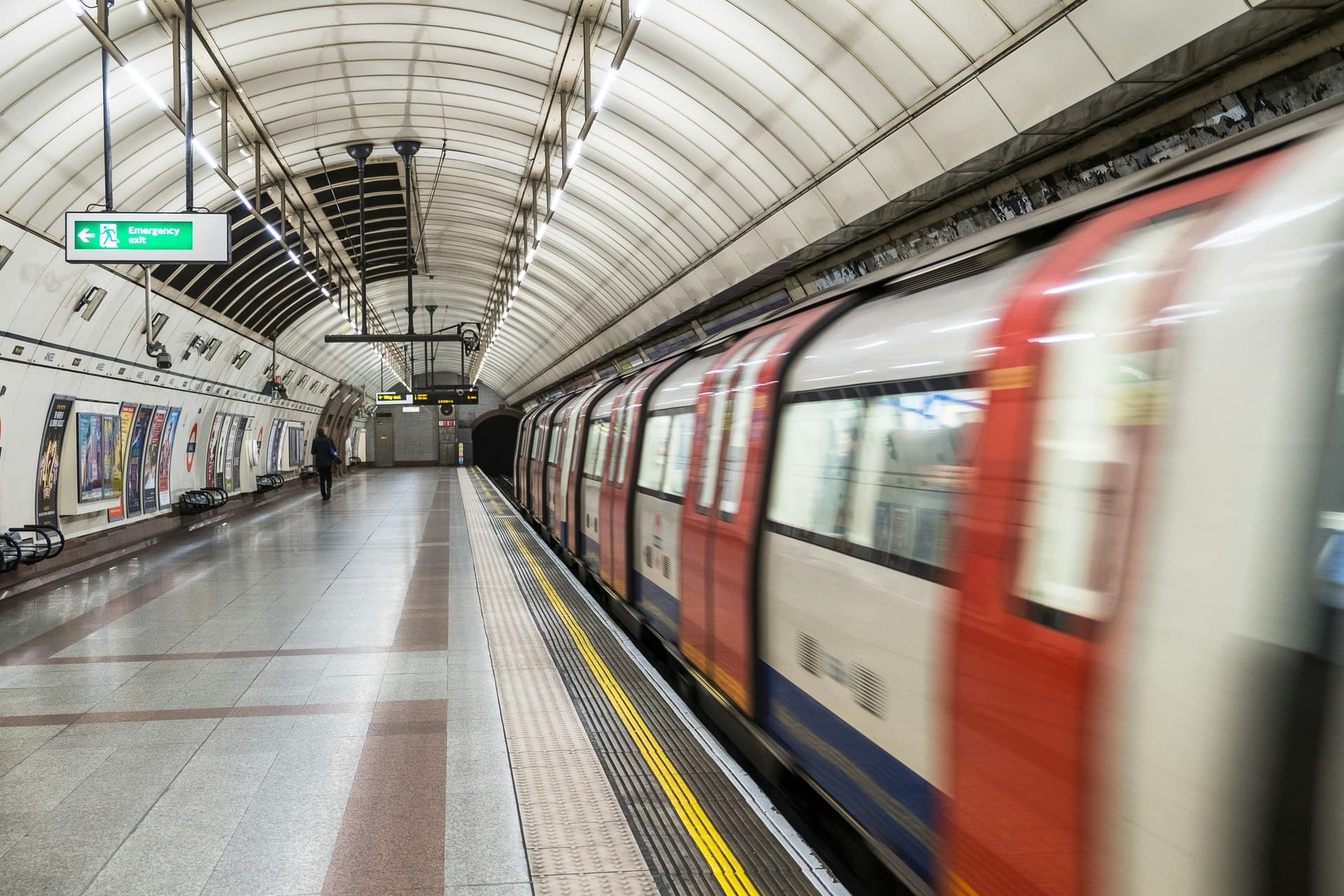
Why the London Tube Is Your Best Friend as a Tourist
If you are visiting London, the Tube will almost certainly be how you get around. It is fast, affordable, well connected, and reaches nearly every major attraction. But for first-time visitors, the London Underground can feel overwhelming. Multiple lines, confusing station layouts, and unspoken etiquette rules can make it intimidating.
This guide explains how to travel on the London Tube as a tourist, step by step. By the end, you will know how to pay, how to read the map, when to travel, and how to avoid common mistakes so you can move around London with confidence.
What Is the London Tube?
The London Tube, officially called the London Underground, is one of the world’s oldest metro systems. It serves Greater London with 11 colour-coded lines and more than 270 stations.
Why tourists rely on the Tube
- It connects most landmarks such as Westminster, Soho, Covent Garden, and Camden
- Trains run every few minutes
- It is cheaper and faster than taxis in most cases
- Stations are clearly signposted and staffed
For tourists, it is the most efficient way to explore London in a short time.
How to Pay for the London Tube as a Tourist
Contactless payment and Oyster cards
The easiest way to use the London Tube is contactless payment.
Best options for tourists
- Contactless debit or credit card
- Apple Pay or Google Pay
- Oyster card (a reusable travel card)
If your bank card works contactlessly, you do not need to buy tickets in advance. Just tap in and out.
Daily caps and pricing explained
The Tube uses daily price caps, which means you never pay more than a set maximum per day. This makes it cost-effective for tourists who are travelling frequently.
Key points to know:
- Always use the same card or device all day
- Tap in at the gates and tap out when exiting
- Prices depend on travel zones, but most tourist trips are within Zones 1 and 2
Understanding the London Tube Map
How to read the map properly
The Tube map is not geographically accurate. It is designed to show connections, not distances.
Tips for reading it:
- Focus on line colour and station names
- Do not assume stations close on the map are walkable
- Look for interchange stations where lines cross
Most important lines for tourists
While all lines are useful, tourists most often use:
- Piccadilly Line for Heathrow Airport
- Central Line for shopping and major sights
- Northern Line for Soho, Camden, and London Bridge
- Jubilee Line for Westminster and South Bank
When to Travel on the London Tube
Peak vs off-peak times
Avoid rush hour if you can. Trains are busiest during weekday commuting hours.
Peak times to avoid:
- 07:30 to 09:30
- 16:30 to 18:30
Best times for tourists:
- Mid-morning
- Early afternoon
- Evenings after 19:00
Travelling outside peak hours is more comfortable and sometimes cheaper.
Tube Etiquette Every Tourist Should Know
Unwritten rules locals expect you to follow
Londoners are polite but efficient. Following Tube etiquette makes your journey smoother.
Key rules:
- Stand on the right of escalators, walk on the left
- Let passengers off before boarding
- Move down inside the carriage
- Keep backpacks off your back when crowded
- Do not block the doors
Talking, phones, and behaviour
- Keep conversations quiet
- Headphones on for music or videos
- Eating hot food is discouraged
Respecting these norms helps you blend in quickly.
Common Mistakes Tourists Make on the London Tube
Buying paper tickets
Paper tickets are expensive and unnecessary. Use contactless instead.
Forgetting to tap out
If you do not tap out, you may be charged the maximum fare.
Assuming the Tube runs 24 hours
Only some lines run overnight on Fridays and Saturdays. Always check before late journeys.
Overusing the Tube for short distances
Some areas like Soho, Covent Garden, and Leicester Square are easier to walk between than using the Tube.
Using the Tube to Reach London’s Main Attractions
The Tube is ideal for sightseeing.
Examples:
- Westminster Abbey: Westminster Station
- British Museum: Tottenham Court Road or Holborn
- Camden Market: Camden Town Station
- Tower of London: Tower Hill Station
- South Bank: Waterloo Station
Most stations have clear signs pointing to major attractions.
Final Tips for Travelling the London Tube with Confidence
- Download Google Maps or Citymapper for live directions
- Always check line status if something feels delayed
- Walk when distances are short, Tube when they are long
- Do not stress if you miss a stop, trains are frequent
Once you use the Tube a few times, it becomes second nature.
Want a Better Way to Experience London?
Getting around London is only part of the journey. Knowing what to do once you arrive is just as important.
Turizum is launching a new way for travellers to discover and book memorable local experiences while travelling.
Join the Turizum waitlist and become a Founding Traveller
Founding Travellers receive:
- Preferential perks at launch
- Early access to curated experiences
- Priority booking benefits
Sign up to the waitlist today and secure your Founding Traveller status before we launch.